For many potential clients, leaving a voicemail is their first interaction with your practice. A warm, professional voicemail tells them they’ve made the right choice.
You don’t have to try to come up with the right greeting from scratch. In this guide, you’ll learn what to include in your therapist voicemail script. You’ll also find seven scripts you can copy, personalize, and use in different scenarios.
Disclaimer: This article provides general information about HIPAA compliance and voicemail greetings as of the date above. The content on our website is not intended to provide and should not be relied upon for legal or compliance advice. You should consult with your own legal or compliance official to determine how this general information may apply to your specific circumstances and to ensure your specific voicemail practices meet all applicable HIPAA requirements.
What to include in your therapy practice voicemail
Here’s what you should include in the greeting on your phone system:
- Practice name or doctor’s name. This lets patients know they’ve reached the right number.
- A brief acknowledgement of their call. A word of appreciation shows you recognize the effort it took to reach out.
- Crisis resources and emergency instructions. Direct callers to 911 for emergencies or 988 to reach the Suicide and Crisis Lifeline for immediate support.
- The details to leave in their voice message. Ask for the contact information you need to return their call. This includes their name, phone number, the reason for their call, and the best times to follow up.
- Response timeframe. Clearly state when you’ll return calls, such as by the end of the day or within 24 hours. This tells them whether to wait for your call or seek more immediate support elsewhere.
- Alternative contact method. Direct patients to your website to book appointments or fill out intake forms. Also mention where to find more information about your practice. For after-hours calls, provide an alternative such as the number for a covering provider. Direct crisis calls to an emergency contact for immediate help.
- Warm closing. End on a reassuring note that acknowledges their courage in seeking help, like “I’m glad you reached out” or “I look forward to our conversation.”
💡Further reading: 45 professional voicemail greeting examples
8 examples of HIPAA-compliant therapist voicemail scripts
Here are eight professional HIPAA-compliant scripts you can customize to your needs.
⚠️Important: To stay compliant, never ask for personal medical details or other sensitive information in your voicemail. Only include what’s necessary to understand why a patient is calling and how to contact them.
Also, make sure you’re using a HIPAA-compliant phone system like Quo, formerly OpenPhone. Once you sign a BAA, you can use Quo to communicate with patients in compliance with HIPAA’s Privacy and Security Rules. Features like encrypted storage, audit logging, and access controls keep you compliant. Learn more about Quo security.
Solo practice sample scripts
Try one of these simple voicemail messages if you run an independent practice. Choose a voicemail script that matches your practice style — whether you prefer a more formal tone or a warmer approach.
Here’s a script that gives your message a formal feeling:

Hi, you’ve reached [your name] at [practice name]. Thank you for calling. I’m unable to take your call right now. If you’re experiencing a mental health emergency or having thoughts of harming yourself or others, please hang up and call 911 or the Suicide and Crisis Lifeline at 988.
For all other matters, please leave your name and phone number, and I’ll call you back within [timeframe]. If you’d prefer to schedule directly, you can visit my website at [website URL] to book a consultation or learn more about my practice.
I look forward to connecting with you soon. Thank you again for reaching out.
If you want to convey a more personal feeling while staying professional, try this script:
Hi, and thanks for calling. You’ve reached the confidential voicemail of [practice name]. I appreciate your call, and I’m sorry I can’t answer right now. If you’re experiencing a mental health emergency, please hang up and call 911 or the Suicide and Crisis Lifeline at 988.
My normal business hours are [days of the week], from [opening time] to [closing time]. If you leave your name, number, and a brief message, I’ll return your call within [timeframe]. Thank you again for calling!
Private practice voicemail script
If you have a receptionist or office manager, your voicemail script should reflect your team structure. Mention your administrative team, who handles scheduling and callbacks, rather than just your name. You can also provide extended callback hours since the admin staff can respond when you’re with patients.
For example:
Hello, you’ve reached [practice name]. We’re glad you reached out. Our administrative team is currently assisting other callers or is away from their desks.
If you’re experiencing a mental health emergency or having thoughts of harming yourself or others, please hang up and call 911 or the Suicide and Crisis Lifeline at 988.
For questions, scheduling, or to leave a message for one of our therapists, please provide your name, phone number, and a brief note about how we can help. Our team returns calls within [callback timeframe], from [day] to [day], [times].
You can also visit our website at [website URL] to book an appointment online or learn more about our practice.
Thank you for reaching out to [practice name]. We look forward to connecting with you soon.
Group practice voicemail sample
Voicemail messages for healthcare practices with multiple therapists need more detail. In addition to basic information, include practitioners’ names, availability, and scheduling details.
Here’s an example of a therapist voicemail template for group practices:
Hello, and thanks for calling [practice name]. You’ve reached the practice of Drs. [name], [name], and [name]. We appreciate your call. Our therapists are currently with clients and unable to take your call.
If you’re experiencing a mental health emergency, please hang up and dial 911 or call the Suicide and Crisis Lifeline at 988.
Please leave your name, phone number, and the therapist you’re trying to reach. If you’re a new client or unsure who to contact, let us know the reason for your call, and we’ll direct your message to the appropriate therapist. We return all calls within [timeframe]. Thank you for reaching out, and we look forward to connecting with you soon.
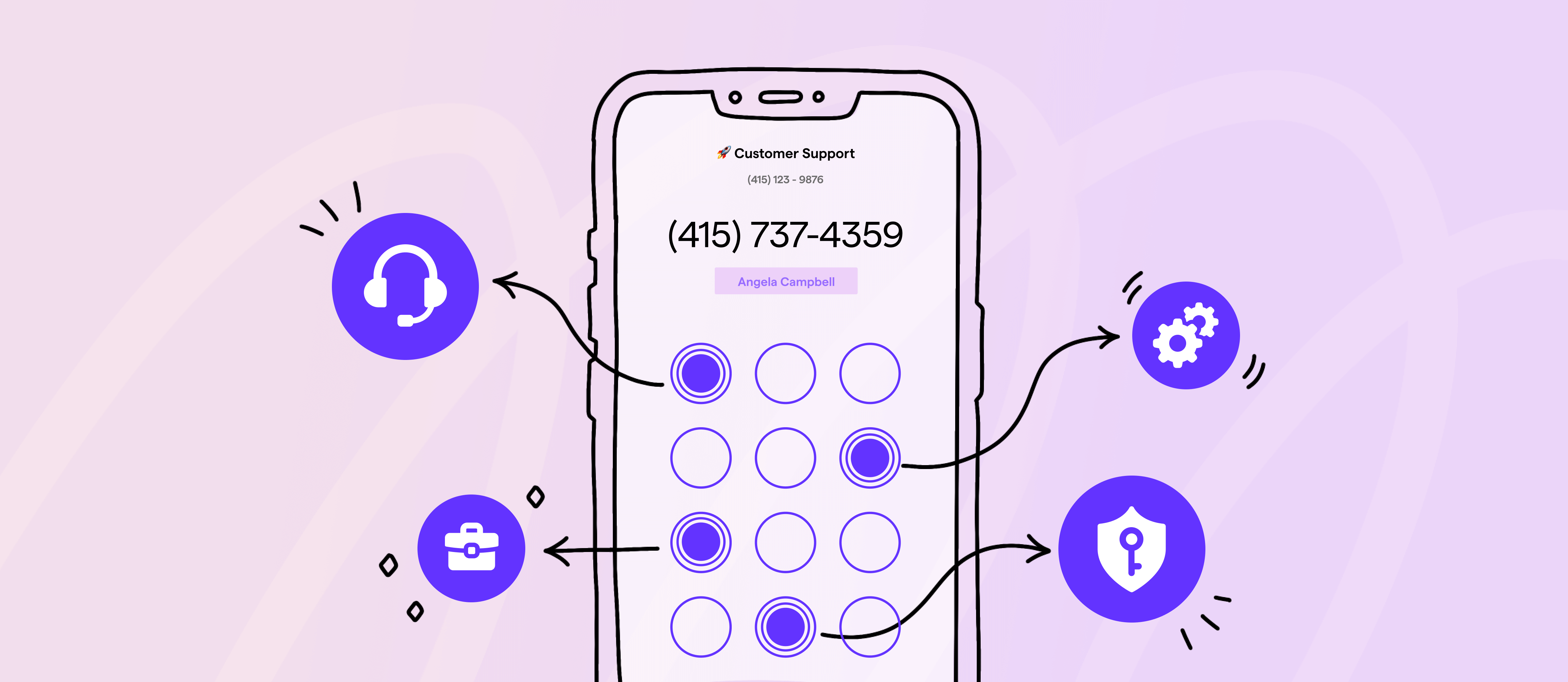
💡Pro tip: With Quo, you can set up a phone menu with sub-menus to direct calls. Use the call flow to route patients to extensions with voicemail messages specific to each practitioner.

Clinic or mental health center voicemail script
Larger clinics have different departments and intake processes. Your voicemail greeting should mention these and provide clear next steps. They can also share clear pathways for both urgent clinical matters and routine inquiries, such as patient self-scheduling.
Clinics can customize a script like this to include the most important information for callers:
Hello, you’ve reached [clinic name]. We appreciate your call. Our staff are currently assisting other patients and are unable to take your call at this time.
If this is a mental health emergency or you’re having thoughts of harming yourself or others, please hang up and dial 911 or the Suicide and Crisis Lifeline at 988.
For urgent clinical matters, including medication concerns or significant changes in your symptoms, please call our on-call provider at [number].
For all other inquiries, please leave your name, phone number, and a brief message, and we’ll return your call within [timeframe]. You can also visit our website at [website URL] to complete a new patient intake form or access our patient portal.
Thank you for contacting [center name]. We’re here to help and will connect with you soon.
💡Did you know? Quo users can use our AI voice agent, Sona, to help patients book appointments after hours. For patients who’ve already opted in to Sona and SMS communications through your intake process, Sona can text them a link to your scheduling page during the call.

After-hours voicemail script
When your practice is closed, your voicemail should set clear expectations. Mention your normal business hours, and give a specific return timeframe. Provide emergency instructions for callers who can’t wait for a callback.
Like this:
Hello, you’ve reached the after-hours inbox for [practice name]. Our office is currently closed. Our normal hours of operation are [hours]. If you need immediate help, please hang up and dial 911 or the Suicide and Crisis Lifeline at 988.
For other calls or questions, please leave your name, phone number, and a brief message. Someone from our practice will reach out to you within [timeframe]. Thank you for calling. We appreciate you reaching out and look forward to assisting you.
Or this:
Hi, and thanks for calling [practice name]. We’re out of the office right now. If you leave your name, phone number, and the reason for your call, we’ll get back to you as soon as we open at [hour] on [day].
If you’re experiencing an emergency, please dial 911 or call 988 for the Suicide and Crisis Lifeline. You can also reach our after-hours emergency number at [number] for immediate assistance.
Thank you again for calling. Your wellbeing matters to us, and we’ll be in touch soon.
💡Pro tip: Quo users can set different voicemail messages for during and after-hours calls. Callers automatically hear the right message with accurate callback expectations. You don’t have to change your greeting manually.
Vacation or extended absence voicemail script
If you’re away on vacation or for a prolonged absence, your voicemail should let patients know when you’ll be back and who to contact in the meantime. Direct urgent calls to an emergency number or the appropriate crisis resources.
Here’s an example of a vacation voicemail script:
Hello, you’ve reached [therapist name] at [practice name]. Thank you for calling. I’m currently out of the office from [start date] through [end date] and will have limited access to voicemail during this time.
If you’re experiencing a mental health emergency or having thoughts of harming yourself or others, please hang up and dial 911 or call the Suicide and Crisis Lifeline at 988.
For existing patients with urgent clinical matters, please contact [covering therapist name] at [phone number]. For scheduling or administrative questions, you can email [practice email] or leave a message, and someone from our team will respond within [timeframe].
For non-urgent matters, please leave your name and phone number, and I’ll return your call when I’m back in the office on [return date].
Thank you for your understanding, and I look forward to connecting with you soon.
With Quo, you don’t have to update your call flow every time your availability changes. You can set up flows for different situations, like one for holidays and another for business as usual. Easily toggle between the options from your settings.

How to record a professional voicemail with Quo
With these scripts in hand, you’re ready to set up your voicemail. Here’s how to do it in Quo’s HIPAA-compliant phone service for therapists:
Record a voicemail greeting in Quo’s web or desktop app
To record a voicemail using the Quo web or desktop app:
- Go to Settings on the left-hand menu.
- Under Workspace, click Phone numbers.
- Choose the phone number you want to record a voicemail for.
- Under Business hours, toggle Enable business hours to On.
- Set your time zone and your — or your team’s — daily availability under Schedule. If no one is available at your practice on weekends, click Every day and set your schedule to Weekdays. If you have different hours for different days, select Custom. Then add your business hours.
- Go to the Call flow builder and click Edit call flow to build your flow.
- Drag the Business hours step after the Incoming call trigger.
- After you add business hours, the canvas will automatically create two paths: During hours and After hours. If needed, add routing steps to direct callers to different departments, locations, or providers.
- The Voicemail step is added automatically after the After hours step. You can also add Voicemail after the Ring users step for missed calls.
- Select the voicemail step in the right panel of the builder to edit your settings. Then, choose Change greeting and upload, record, or use text-to-speech to set your greeting using the appropriate script.

Record a voicemail greeting in Quo’s mobile app
If you want to set up voicemail with the Quo mobile app:
- Go to your Account menu in the top left corner. Select Settings.
- Go to Phone numbers, then tap the number you want to set the voicemail for. Then choose Voicemail greeting.
- Tap the Plus icon at the bottom right corner.
- Tap the red record button to record your voicemail
- Save your voicemail and select the new greeting in the menu. Your active greeting will be indicated by a purple checkmark.
Note: Text-to-speech is only available on Quo’s web and desktop apps.
9 best practices for writing a voicemail greeting script
Follow these best practices to ensure your voicemail makes a good first impression:
- Use a clear, professional tone. Speak slowly and confidently with a warm, professional tone. Avoid sounding rushed, casual, or robotic.
- Plan your script. Write your greeting beforehand to make sure it’s concise and you remember key points.
- Practice before you record. Read through your script a few times to smooth out the flow so you sound natural and don’t have to re-record the greeting.
- Include key information. Provide important details like your name, practice name, and alternative contact methods. Don’t forget to direct emergencies to the appropriate number or resources.
- Limit background noise. Record in a quiet environment so callers can hear your message. Avoid using earbuds or recording in public places — you’re likely to sound indistinct or muffled.
- Speak slowly. Clearly enunciate phone numbers, URLs, and practice details. Pause between key pieces of information so callers in crisis have time to process what they hear.
- Set realistic callback expectations. Be specific about your typical response time, such as within one business day. This lets patients know when they’ll hear back from you so they don’t feel ignored or forgotten.
- Record and review. Once you’ve recorded your voicemail message, play it back a few times. Make sure it includes all the important details and is free from mistakes.
- Update when necessary. Remember to change your voicemail when you go on vacation or will be away from the office for an extended period.
Get voicemail and all your phone communication right with Quo

When patients call your practice, hearing a warm, professional greeting can set them at ease. They come away knowing that someone cares about them and that resources are available for immediate help.
Quo gives therapy practices a HIPAA-compliant business voicemail service. Sign a BAA to protect patient communications with encryption, access controls, and audit logs. Then, set up voicemails based on your schedule and practice structure.
Quo also gives you tools to help you and your team stay on top of follow-ups. These include:
- Shared phone numbers. Share responsibility for calls and texts, so multiple staff members can respond when you’re with patients.
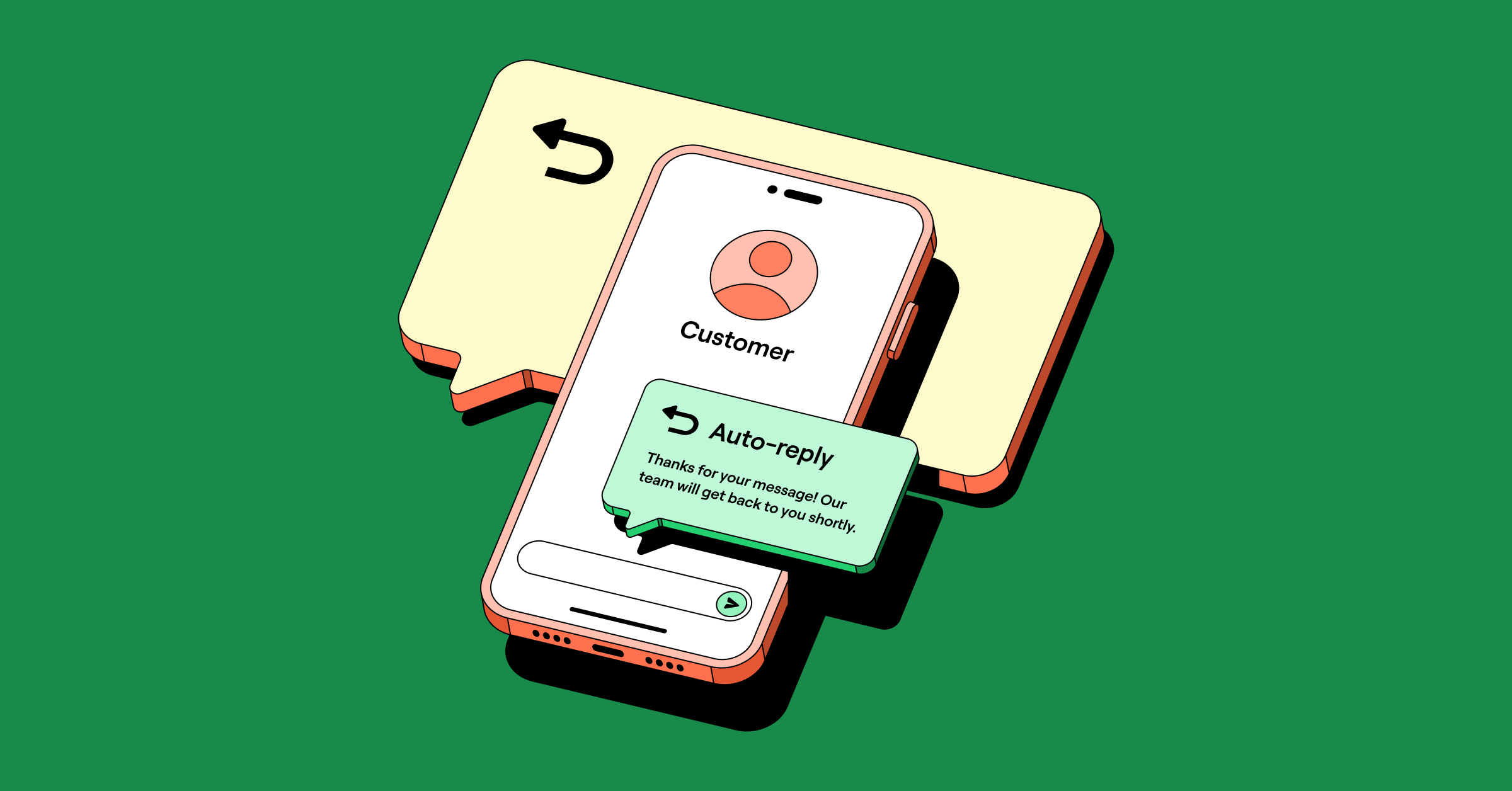
- SMS auto-replies. Immediately acknowledge missed calls, voicemails, and texts so patients know when to expect a response. You can also share additional information, like booking links, in your texts so patients can get help when you’re away.
- Business hours call routing. Create separate call flows based on your schedule.
- IVR menus. Direct calls to the location, department, or provider that can best address patients’ needs.
- Voicemail transcriptions: Easily review incoming messages without having to play back recordings with voicemail-to-text notifications. SMS templates, or snippets. Save time with quick replies to FAQs, like billing or booking inquiries, that you can send with just a few clicks.
- Call recordings and transcripts. Keep a clear log of patient communications for clinical records and compliance.
Ready to get started with professional voicemail for your practice? Try Quo for free for seven days.
FAQs
A voicemail greeting should be between 20 and 30 seconds. That’s long enough to include all the important information but short enough to avoid confusing callers who may be upset or anxious.
Here’s what to include in your out-of-office message template:
-The dates of the vacation or absence
-Return date and response time
-Crisis resources like 911 and 988
-Coverage provider contact details, if applicable
-Another way to reach your practice for urgent matters
Your voicemail is the first impression that many people will get of your therapy practice. Use it to establish a connection and set expectations by:
-Confirming that the caller has reached the right office or practitioner
-Providing relevant steps and resources, including for emergencies
-Being clear about response times, including during extended absences
-Building trust with potential patients who took the step to reach out