It’s easy to end a phone call with a friend. You laugh or joke, wish them well, and hang up. It’s harder to know how to end a phone call with a customer. And when you fumble the close, the customer has no idea what to do or expect next. They leave with a bad impression — and may go to a competitor instead.
This article will show you how to master those closing moments. We’ll explain why call endings matter. Then we’ll share tips and real-world templates for different situations. Plus, we’ll suggest a solution to help your team end business calls professionally every time.
Tips on how to end a call without being rude
If your team doesn’t use good business phone etiquette, you could lose customers. Here’s how to end a phone conversation professionally:
- Give the other person space to finish. Respect the customer’s needs. Give them a chance to bring up issues that weren’t fixed. Most customers want to stay on a call until they get a satisfactory solution. So don’t rush them off the phone before addressing all of their concerns.
- Summarize the conversation. Recap the call in one or two sentences to make sure you’re both on the same page. If anything is unclear, take the time to answer their questions.
- Offer next steps or alternatives. Clearly communicate when they can expect to hear from you again and if you’ll need more information to continue the conversation. You can also let them know how your team will follow up — text, email, or a quick call.
- Be mindful of time. If the call runs long, offer to continue another time at the customer’s convenience. For example, “I see this may take another 15 minutes to solve. Would you like to continue or schedule a follow-up call?” This shows you care about solving their problem, and respect their time.
- Use clear closing phrases. Choose polite phrases to signal the end of the call. For example, “I’ll let you go,” or “Thanks for your time today.”
- End with gratitude. Always tell the customer you appreciate their business and thank them for calling.
- Leave on a positive note. Make customers feel good about calling, even if the call was a challenge. Wish them well. If you close the call with warmth, you leave a positive last impression and increase customer satisfaction. This makes them more likely to keep doing business with you.
8 how to end a phone call templates
Here are eight templates to end phone calls professionally that you can use as a springboard.
1. How to end a customer service call
When a customer calls with a question or issue, they want a solution. Reps should hang up only when they’re sure everything is resolved. To know when it’s time to wrap up, ask if you can help with anything else. Then, thank the customer for calling and leave them with a smile and a kind word.
Example:
“Have I answered all your questions today? I’m glad I could be of service. Thanks for calling [COMPANY NAME]. Have a wonderful day!”
2. How to politely cut a call short when you’re busy
Lengthy calls can back up call queues , often leaving customers with long hold times. To ensure a good customer experience for everyone, sometimes you need to politely interrupt. This can include ending the phone call or setting up a call transfer to another rep with more availability.
Apologize for cutting things short. Let the customer know you care about their issue but can’t resolve it on the current call. You should also offer follow-up options for them to pick from. Then, state when they can expect to hear back, and wish them well.
Example:
“I apologize for the interruption, but I’m unable to resolve the issue on this call today. Does it work for you to reconnect tomorrow at [TIME]? Great. I’ll send an email confirmation and talk with you then. Have a nice day!”
3. How to end an informal call
You and your team may have room to be informal with long-term customers. If you’ve built a good rapport, you can end the phone call with a question or a lighthearted joke.
Of course, reps need to use judgment about when to end a call this way. Being too informal can damage the relationship. Match the customer’s level of formality to strike the right balance.
Example:
“Did I address all your questions today? Fantastic. How’s business going? That’s great to hear. I hope things continue to go well. Always nice talking with you. Have a good one!”
4. How to end a sales call
Whether you’re taking a call from a new lead or following up with a customer callback, you want to maximize your chances of closing the deal. That means making sure you answer every question and share all relevant features and information. Once you’ve done that, ask them to take the next step.
Example for closing a sale:
“Just to confirm, your card will be charged [$ AMOUNT] today. You’ll receive a confirmation email with next steps for getting started. Thanks for doing business with [COMPANY NAME]. We look forward to continuing to work with you!”
Example for an ongoing conversation:
“Can I answer any other questions for you today? In that case, would it be okay to follow up next week after you’ve spoken with your team? Great. I’ll speak with you on [DATE] at [TIME]. Thanks again for calling [COMPANY NAME]. Have a good week!”
5. How to end an interview call with a candidate
You might need to bring on more help as your business grows, which means interviewing candidates.
At the end of the interview, let the candidate know what will happen next. Tell them when and how they’ll hear back about the position. Explain the next steps if they’re chosen for another interview. Then thank them for their time and interest.
Example:
“I enjoyed speaking with you today [CANDIDATE NAME]. I have [NUMBER] more candidates to interview for this position, but you should hear back about our decision via email in a week. I appreciate you taking the time. Thanks again for your interest in [COMPANY NAME]!”
6. How to end a customer complaint call
Sometimes reps have to deal with angry customers or long, complicated problems. How you end these phone calls can mean the difference between retaining customers and losing business.
Start by apologizing for any inconvenience. Make sure the customer is satisfied with the solution you offer. End the call by thanking them and letting them know you’re there to help with any future problems.
Example:
“I’m very sorry for the inconvenience this caused you. Is there anything else I can do to help? That’s great. I’m glad we were able to solve this problem for you today. You’ll receive [SOLUTION FOLLOW-UP] within [NUMBER] business days. Please feel free to reach out with any other questions in the future. Thanks for doing business with [COMPANY NAME]!”
7. How to end a call after confirming an order
Order confirmation calls are fairly straightforward. A customer either calls to place an order or check on the status of a recent one. You can end these calls by giving a quick summary of the caller’s order details. This can include restating what they ordered, and letting them know when it’ll ship or arrive.
Example:
“Your order for [PRODUCT] will ship within [NUMBER] business days. It should arrive [NUMBER] days after shipping. Is there anything else I can help you with today? Great. Thanks again for your order. We appreciate your business!”
8. How to end a call when scheduling an appointment
Ending a phone call by confirming an appointment is similar to ending an order confirmation call. Restate the details of the appointment time and type of service. Share any important information, like location, arrival time, or appointment length. You can also ask the customer if they’d like to receive a confirmation text or an email.
Example:
“I have you down for [SERVICE] at [TIME] on [DAY] at our [LOCATION] office. Would you like to receive a confirmation email or text message? Great, I’ll send that now. Thanks again for calling. We’ll see you on [DATE] at [TIME]!”
💡Looking for more templates to help with call handling? Read our guide on How to take a phone message.
Bonus: How Quo helps your team end calls professionally every time
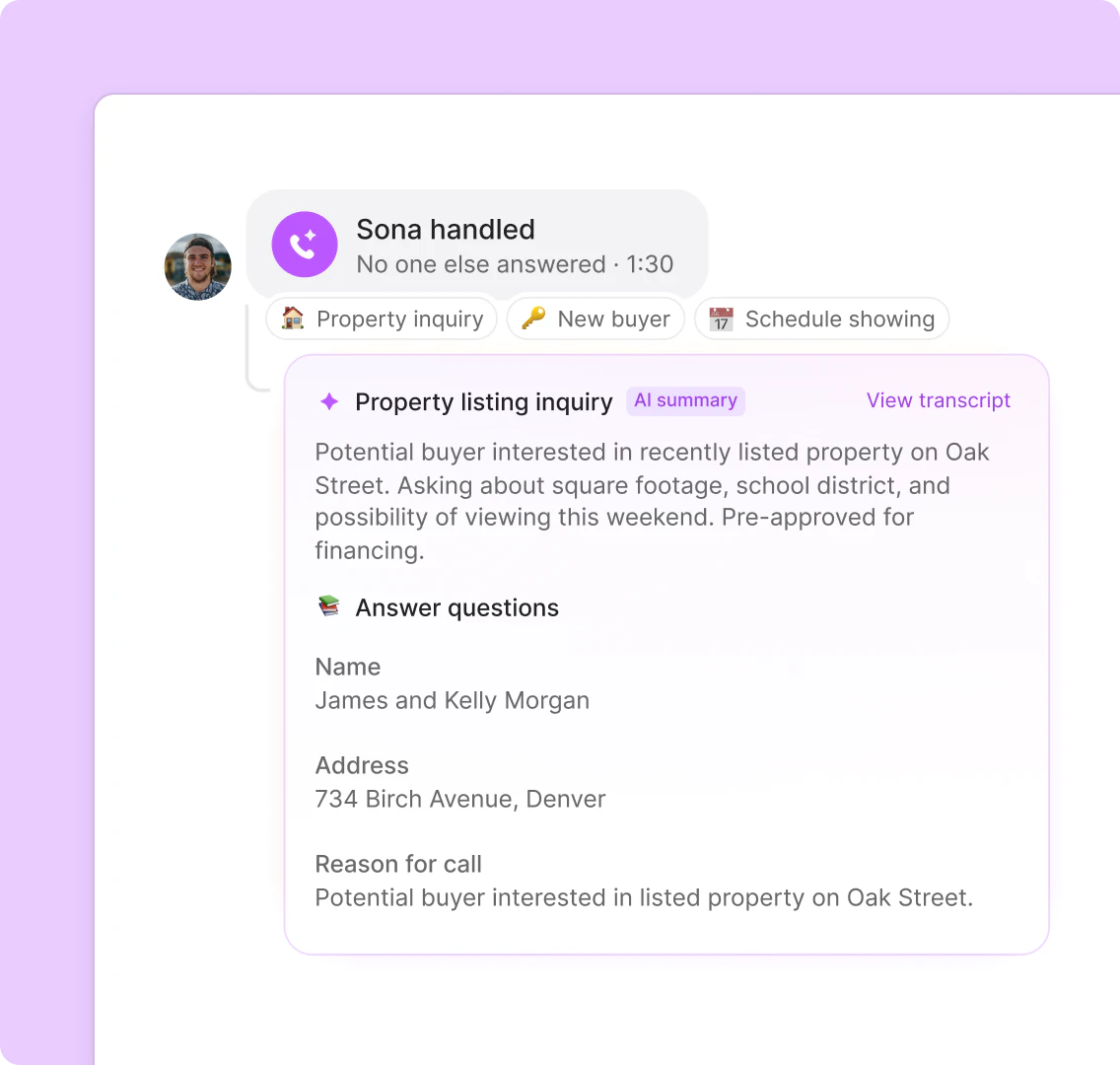
Quo, formerly OpenPhone, is a modern business phone system. It brings all your calls, texts, and customer information together in one AI-powered platform.
Built for growing teams that want to scale customer interactions, Quo gives you the tools you need to end every phone call on a professional note.
Let’s take a look at four key features that help.
- Call recording helps you review each call. You can evaluate how customers respond when your reps end calls. Then, make changes to your customer service scripts to improve customer satisfaction.
- AI call summaries and transcripts make it easy to scan what was said at the end of each call. Quo’s call transcriptions are broken down by speaker with timestamps. This means there’s no need to listen to the entire recording!
- Three-way calling lets supervisors and managers join or shadow calls in the background. Observing how reps close calls lets managers easily identify customer service quality assurance issues. Then they can coach team members on more effective call endings.
- Sona, Quo’s AI voice agent, ensures every call ends politely. You can set up Sona’s knowledge base pages and create a custom greeting to handle common customer questions during or after hours. This ensures customers get a good experience even when reps are busy handling high call volumes.
Why is it important to end a call professionally?
Here’s why focusing on how to end calls professionally matters:
- Customers leave the call feeling like reps actively listened and cared about their problems. Knowing you value their time improves customer satisfaction.
- Clear expectations prevent confusion and frustration. Customers know the conversation is finished. And they know what to expect when you follow up.
- Every interaction reflects on your brand. Polite reps who end calls well reinforce your company’s reputation for quality service.
- Leaving customers with a pleasant word strengthens relationships. This builds loyalty over time. Poor service does the opposite. 43% of customers won’t make another purchase after a bad customer service experience.
5 ways to not end a phone call
Make sure customers consistently have a good experience by avoiding these call ending mistakes:
- Ending the call suddenly. An abrupt ending can feel cold or dismissive. It can also leave issues unresolved, which impacts the customer experience.
- Not clarifying what happens next. When reps don’t confirm next steps, customers leave the call confused. Teammates helping with the issue also won’t know what to do next. This means customers are at risk of not getting the solution you promised.
- Sounding rushed or distracted. Being in a hurry to hang up can make customers feel like just another number in a queue. It also leaves them with a sense that the rep was more interested in getting through the call than helping them.
- Skipping a thank-you. People tend to remember the last thing they hear more than anything else from a call. In psychology, this is called the “recency effect.” A poor call ending can cast the entire interaction in a negative light.
- Overlooking final questions. When reps don’t pause to ask how else they can help, the caller might have to reach out again. Frustrated customers may decide not to call back at all. Asking for questions at the end of a call can improve first call resolution — and retain more customers.
💡Further reading: How to professionally answer the phone
Close every call with confidence using Quo
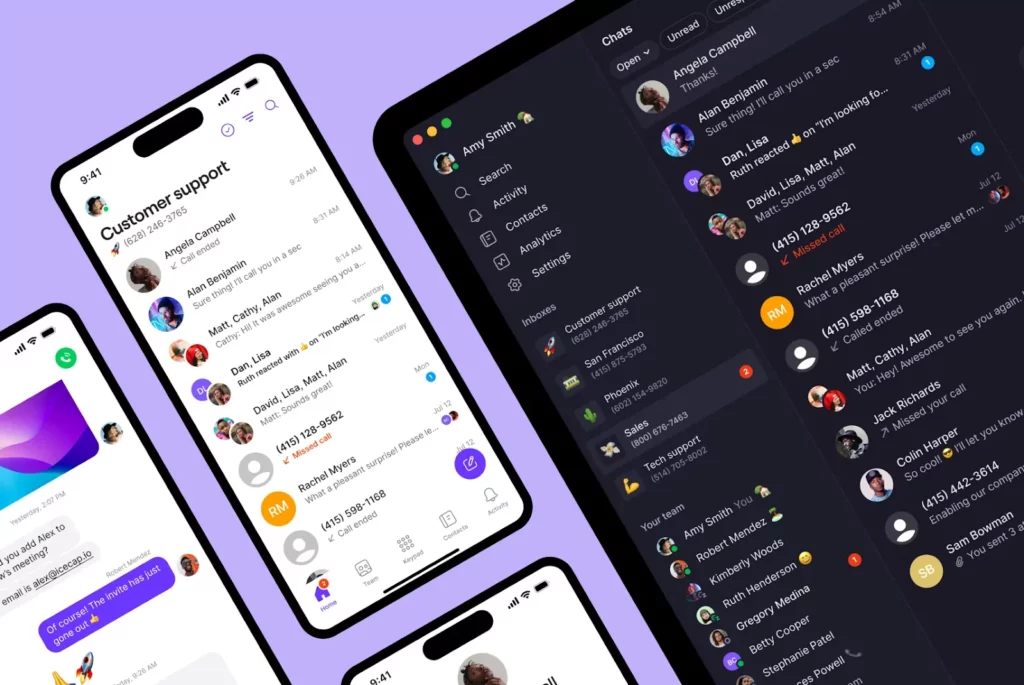
By now, you know how to end a phone call. Good call endings make for happier customers — and a better reputation for your business. Combining the templates from this post with the tools in a platform like Quo can help you and your team ace the end of every call, every time.
Start a trial of Quo today and say goodbye to awkward call endings.